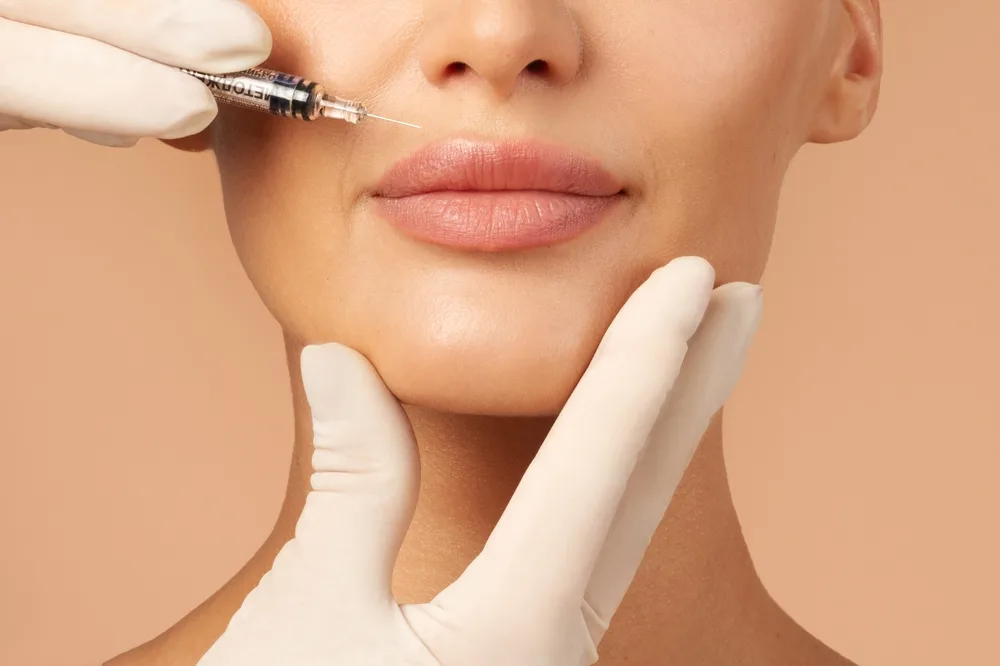
You may know that you want a fresher appearance without knowing which treatment belongs in the conversation. A crease at the brow, a lip that has lost definition, and a shadow beside the mouth can all draw your attention, yet they do not necessarily have the same cause. Choosing cosmetic injections starts with sorting out those differences.
At Women’s LifeCenter Aesthetic Surgery and Medispa, Kenilworth residents can explore injectable options at our nearby Wilmette practice. The consultation focuses on the change you are seeking before deciding whether a muscle-relaxing medication, a dermal filler, or another approach makes sense. The intention is a proportionate plan with a clear purpose for each treatment recommended.
Elysa Fisher, MD, FACS, brings a plastic surgeon’s understanding of facial structure to the discussion. She considers expression, skin, tissue support, and your natural proportions. A concern that looks like a simple wrinkle may involve several of those features, and the treatment should reflect the actual finding.
Cosmetic injections can provide useful improvement for selected concerns, but they are medical procedures with risks and limitations. You should know what product is proposed, what it is intended to change, how the result develops, and what future maintenance could involve. Our goal is to make those choices understandable before you decide whether to proceed. Women’s LifeCenter services
Schedule a Complimentary Consultation
Meet Your Cosmetic Injection Provider Near Kenilworth
Choosing a provider involves more than finding someone who offers the product you have heard about. The initial assessment determines whether the product fits the problem, while technical knowledge guides placement and response to complications. Communication connects those medical decisions to the appearance you want.
Dr. Elysa Fisher completed her education and postgraduate training at Northwestern University and has been board-certified in plastic surgery since 1992. She offers both surgical and nonsurgical aesthetic care, allowing the consultation to consider when an injectable can be helpful and when it would be an incomplete answer.
That distinction is especially important when several changes occur together. A person may notice less cheek fullness alongside skin laxity or forehead lines alongside eyelid heaviness. The presence of an injectable option does not establish that it is the right treatment for every part of the concern.
You should feel comfortable explaining what would make you hesitate. Perhaps you worry about looking unusually full, losing expression, or committing to a routine you cannot maintain. Those are practical preferences that help shape a useful recommendation. They should be discussed before the appointment is reduced to a product name or quantity. About Dr. Fisher
Cosmetic Injections Planned Around the Change You Want
A productive starting point is to identify the feature you keep noticing and what you would like to be different. “I want this crease less prominent when I frown” gives different guidance from “my lower face seems heavier.” Both concerns are valid, but an injectable that suits one may not suit the other.
It can help to bring photographs that show your own face in ordinary settings. Images from different years may illustrate a gradual change, while a recent photograph can show what is distracting you now. Avoid using heavily filtered images as an expected endpoint, since lighting and digital editing can remove normal anatomy.
Your preferred degree of change also matters. Some clients want a noticeable enhancement; others want to address a single feature with as little visible alteration elsewhere as possible. The consultation should establish that preference in concrete terms.
Planning around you does not mean promising any requested result. Anatomy, medical suitability, and the limits of the product remain relevant. A thoughtful recommendation explains how close an available treatment is likely to come to your goal and when the tradeoffs would make another option more appropriate.
Understanding the Main Types of Cosmetic Injections
Neuromodulators for Selected Expression Lines
Neuromodulators are prescription botulinum toxin products that temporarily reduce activity in selected muscles. Xeomin is one example offered by the practice. Its approved cosmetic uses include moderate to severe frown lines, horizontal forehead lines, and crow’s feet in adults.
These treatments address movement-related creasing. They do not work by adding volume under a wrinkle. A person whose main concern appears during frowning may therefore need a different category of treatment from someone noticing a hollow or loss of lip fullness.
The effect develops over time rather than appearing as an immediate filled contour. Discuss how much movement you want to retain and whether there are existing concerns about brow or eyelid position. The proposed plan should consider function as well as the visible line. Xeomin treatment information
Dermal Fillers for Volume and Contour
Dermal fillers are injectable materials used for selected volume, fold, and contour concerns. Their properties differ, so the treatment area and intended result influence product selection. An appropriate filler for one location may not be suitable for another.
Some fillers contain hyaluronic acid, while other products use different materials or mechanisms. Ask which exact product is proposed and whether its use in the intended location is approved or off-label. A general statement that a filler is FDA-approved does not describe every possible use of that product.
Filler can change the support or outline of a feature, but it cannot remove excess skin. It also should not be selected simply because adding material seems easier than discussing surgery or leaving a feature alone. The amount placed needs a reason beyond reaching a package quantity. FDA dermal filler information
Combining Categories When They Address Different Problems
Sometimes expression lines and volume changes coexist. A combined plan may then be considered, with each component assigned a separate purpose. The important question is what each injection contributes, rather than whether a combination sounds more comprehensive.
You can ask to prioritize the concern that matters most and reassess before adding anything else. Staging treatment may be useful when you are uncertain about the degree of change or want to understand your response to one intervention at a time.
Combining procedures is not a requirement for good care. A focused treatment can be the complete plan when it addresses your priority appropriately. If multiple services are proposed, you should understand their individual risks, timing, and cost rather than receiving only a combined price.
Facial Concerns That Deserve Separate Assessment
A Persistent Tense or Concentrated Expression
If the area between your eyebrows looks drawn together, a neuromodulator may be part of the discussion. The assessment distinguishes active contraction from an established skin crease. The appearance at rest and during a deliberate frown provides different information.
Describe whether the concern is how others read your expression or the physical groove itself. Those goals can overlap, but a reduction in movement may not completely erase a line that has been present for years. Knowing that before treatment helps set a realistic endpoint.
Reduced Facial Fullness or Definition
Changes in cheek contour, lip shape, or selected folds may bring filler into consideration. The surrounding face needs to be assessed rather than treating the most visible shadow in isolation. A local change can alter proportions elsewhere, even when the injection area is small.
If you like your overall appearance, say which boundaries you want respected. You may want to discuss a less pronounced fold without seeking fuller cheeks, or clearer lip definition without a major size increase. The proposed treatment should respond to that distinction.
Concerns That Injections May Not Resolve
Loose skin, significant tissue descent, pigmentation, and textural scarring can require different approaches. An injectable may improve one component without addressing the feature that bothers you most. Adding treatment in the wrong category can increase expense without creating the intended improvement.
Ask what would remain after the proposed injections. That question often provides more practical information than a general list of benefits. It helps you decide whether the likely result is sufficient or whether another consultation path would be more useful. ASPS overview of dermal fillers
Preserving Proportion and Recognizable Features
Your face does not need to match a trend to be treated well. The features that make it recognizable include natural asymmetry, the way the lips move, and the relationship between the forehead, cheeks, and lower face. A plan should account for those relationships.
Rather than asking whether a result will look natural in the abstract, discuss specific concerns. Would more cheek projection bother you in profile? Are you comfortable with reduced brow movement? Do you want the upper and lower lip relationship to remain close to its current appearance?
These questions are particularly useful when you have seen an outcome you do not want. Explain which feature appeared excessive rather than assuming the provider interprets the photograph as you do. That helps translate a broad fear into a practical boundary.
It is also reasonable to define a stopping point. Once the original concern has improved enough to feel worthwhile, remaining lines or asymmetry do not automatically require more treatment. A result should be assessed as part of a moving face in everyday life, not only as a close-up still image.
Who May Be a Candidate for Cosmetic Injections?
Candidacy depends on the specific product and proposed use, not simply an interest in aesthetic care. Appropriate age requirements, health conditions, allergies, previous procedures, and realistic expectations all need review. Different injectable categories have different contraindications.
Tell the clinician about pregnancy or breastfeeding, active infections, inflammatory skin problems, bleeding issues, and any history of unusual reactions. For neuromodulators, muscle and nerve conditions and breathing or swallowing difficulties are especially relevant. For fillers, prior implanted material and previous swelling or nodules are important parts of the history.
If you do not know which filler was used before, make an effort to obtain the treatment record. A product that was placed years ago can still matter, particularly if it was long-lasting or permanent. Do not assume that an old injection is irrelevant because you no longer remember its immediate result.
Your expectations are another part of suitability. Injections cannot guarantee perfect symmetry or reproduce someone else’s anatomy. They also may be a poor fit when the cost of maintenance, possibility of downtime, or uncertainty of the response feels unacceptable to you.
An honest review may lead to treatment, postponement, or a different recommendation. That assessment is useful even when it does not end with an injection on the day of consultation.
Your Cosmetic Injection Consultation
Start by explaining what brought you in now. A change after weight loss, a longstanding lip concern, or an upcoming occasion may all shape the conversation differently. The clinician needs to understand the priority rather than infer it from a list of procedures you have researched.
The facial examination considers resting appearance, movement, skin condition, and existing asymmetry. Your medical and treatment history helps establish whether an injectable is appropriate and whether the proposed area has any additional concerns.
You should receive an explanation of the recommended product category and its purpose. If the plan includes more than one product, ask which concern each will address. Also ask whether staging would be sensible, especially if you have never received aesthetic injections.
Discuss how results are assessed. A neuromodulator’s gradual onset differs from the early appearance of filler, which may be affected by swelling. Understanding that timeline prevents you from judging different treatments by the same expectation.
Finally, clarify fees, follow-up arrangements, and how urgent questions are handled. The consultation should leave you with a coherent plan, including what will be done, why it is being recommended, and what would cause the plan to change. ASPS consultation guidance
Preparing for Cosmetic Injection Treatment
Preparation begins with sharing accurate information. Bring a list of medications and supplements and the details of any recent injectables. Mention medical botulinum toxin treatment as well as cosmetic appointments, because the medication history matters regardless of the original purpose.
Discuss medications that influence bleeding or bruising without stopping them independently. The treating team can advise whether coordination with a prescribing clinician is necessary. Protecting your overall health takes priority over minimizing a cosmetic bruise.
If you are considering lip treatment, report a history of cold sores. Ask whether preventive medication is appropriate in your case. Also mention planned dental work, recent illness, or inflammation in the proposed area so timing can be considered individually.
Build room into your calendar. Even when a procedure involves little disruption to ordinary activities, temporary swelling or bruising can affect appearance. A first treatment shortly before an important event provides less opportunity to assess the result comfortably.
Arrive prepared to confirm the plan rather than assume it cannot change. New symptoms or a different examination finding can justify deferring a procedure. You should understand the reason if the recommendation differs from what you expected when booking.
What to Expect During Your Appointment
The visit includes confirmation of the treatment areas, review of consent, and preparation of the skin. Depending on the product and location, comfort measures may be discussed. Let the clinician know if you have anxiety around needles or a history of feeling faint.
The injection technique depends on the category and anatomy being treated. Neuromodulators are delivered to selected muscles, while fillers are placed at an appropriate tissue level for the intended correction. Some filler procedures use a needle, a cannula, or a combination; neither method removes all risk.
You may be asked to change expression or sit upright for reassessment. The amount used should respond to the planned result and clinical judgment rather than a promise to finish a predetermined quantity regardless of appearance.
Before leaving, review the instructions for each product administered. A combined appointment can involve different onset times and aftercare considerations. Confirm the contact process, review timing, and symptoms that need urgent attention so the home-care plan is as clear as the treatment plan.
Results and Follow-Up
After a Wrinkle-Relaxing Injection
The effect develops over days as the treated muscle activity changes. For Xeomin, the manufacturer describes a possible onset of visible improvement around four to seven days, with the response often reviewed after about two weeks. The immediate mirror image is not the final result.
At review, describe whether the degree of motion fits your preference. Remaining movement does not necessarily mean treatment failed, and a lingering crease may have a skin component that additional medication would not fully address. Xeomin treatment timeline
After Dermal Filler
Many fillers produce an early contour change, but swelling can make the initial appearance misleading. The settling period and duration depend on the material, area, and individual response. Ask what is expected for the particular product rather than relying on a universal filler timeline.
If the area appears fuller than anticipated during the early period, contact the practice for guidance. Normal swelling and a complication need different responses, so do not assume every change can simply be watched without reporting it.
Planning Ongoing Care
Maintenance should follow the product, response, and current examination. More treatment is not automatically necessary at every visit. The clinician should reassess residual filler or returning muscle activity and discuss whether another session is worthwhile. ASPS filler results
Recovery and Practical Aftercare
Injection sites may be tender, swollen, red, or bruised. Your ability to perform light tasks can return before you feel ready for photographs or a social occasion. Schedule with that distinction in mind rather than equating minimal downtime with no visible recovery.
Follow instructions specific to what was administered. Avoid manipulating treated areas unless the clinician has directed a particular massage technique for a particular product. Advice appropriate for one filler should not be generalized to all fillers or to neuromodulators.
Ask when to resume exercise, facials, skincare devices, and activities involving sustained pressure. If you have a job requiring protective equipment over the face, describe the equipment before treatment. Practical details often matter more than a broad question about returning to work.
Keep your aftercare record and the product information provided. If a concern occurs later, being able to identify what was placed and when can help another clinician understand the situation. Contact the practice about unexpected changes, including symptoms that arise after the immediate swelling period has passed. ASPS filler recovery guidance
Risks That Differ Between Injectable Treatments
Neuromodulators can cause bruising, headache, unwanted weakness, altered brow or eyelid position, and other adverse effects. Botulinum toxin products carry a boxed warning about distant spread of effect. Difficulty breathing, swallowing, or speaking after treatment requires immediate medical attention.
Fillers have a different serious risk: unintended injection into a blood vessel can block circulation and cause skin injury, blindness, or stroke. Severe or unusual pain, pale or dusky skin, a mottled pattern, or visual changes after filler need urgent assessment. Sudden vision changes or stroke symptoms are emergencies; call 911 immediately.
Other filler complications can include infection, nodules, persistent swelling, asymmetry, migration, or inflammatory reactions. Some appear later rather than during the appointment. A clinician’s experience and preparation matter, but no technique makes the procedure risk-free.
Reversal also differs. Some hyaluronic acid fillers can be treated with hyaluronidase, but dissolution has limitations and risks and does not guarantee reversal of an injury. Other fillers are not dissolved by that enzyme, and neuromodulator effects generally require time to wear off. Ask about the exact product rather than assuming all injections can be undone. FDA filler safety guidance
When Another Approach Deserves Consideration
If your concern mainly involves skin color, roughness, or a changing lesion, an injectable is not automatically the relevant treatment. A proper assessment may lead to skincare, another procedure, or medical evaluation of the skin. The category should follow the problem rather than the popularity of a product.
Significant laxity can also place limits on injections. Adding volume to compensate for descended tissue may not create the shape you want and can introduce unwanted fullness. A surgical discussion may be more useful even if you ultimately choose not to have surgery.
You can also decide to treat only part of a concern. Someone may accept remaining skin laxity while choosing a focused improvement in a particular fold. That can be reasonable when the limits are explicit and the benefit is still worthwhile to the client.
The consultation should make those tradeoffs clear. A smaller treatment is valuable when it matches a smaller goal; it becomes disappointing when presented as a substitute for a larger correction it cannot achieve.
Why Choose Women’s LifeCenter Near Kenilworth?
There is value in receiving aesthetic advice from a practice that can compare multiple forms of care. At Women’s LifeCenter, surgical and nonsurgical options are part of the same broader conversation, so your concern does not have to be forced into a single available service.
Dr. Fisher’s approach emphasizes understanding the person behind the request. Your comfort with change, experience of earlier treatment, and practical constraints all belong alongside the examination. A plan that is technically possible may still be wrong for someone who does not want its maintenance or recovery.
For ongoing injections, continuity helps preserve that context. The treating team can review what was done, how you responded, and whether your priorities have changed. Keeping those decisions connected is more useful than treating each appointment as an isolated purchase.
Kenilworth clients are welcome at our Wilmette office for that assessment. You can begin with a question about your appearance and leave with a clearer understanding of which treatments, if any, are likely to help.
Cosmetic Injection Care for Kenilworth Residents
Women’s LifeCenter Aesthetic Surgery and Medispa is located at 124 1/2 Skokie Blvd, Wilmette, IL 60091. Your consultation, injections, and follow-up care are arranged through the Wilmette practice, which serves Kenilworth and neighboring communities.
When booking, explain whether you are exploring options or returning for a known treatment. Mention prior injectables and any event deadline so the office can allow an appropriate discussion. Consultation time is especially useful when you are comparing different product categories.
If you will be away soon afterward, ask how that affects timing and follow-up access. A treatment schedule should leave a practical route for evaluation if a concern develops, rather than placing an appointment immediately before an extended absence.