Exosomes have become a frequent topic in conversations about skin rejuvenation. You may have seen a serum described as regenerative, heard that an add-on can improve recovery after a procedure, or encountered photographs attributed to exosome treatment. Those descriptions can sound similar while referring to very different products and methods.
If you are exploring exosomes treatment in Wilmette, the first step is to understand exactly what is being proposed. A cosmetic product applied to the skin surface is not the same as an injection or a preparation placed on skin immediately after a procedure. The source, formulation, intended use, and available evidence all matter.
At Women’s LifeCenter Aesthetic Surgery and Medispa, you can discuss your skin concerns and questions about emerging treatments with Dr. Elysa Fisher. The consultation can help you identify the actual goal, whether that involves texture, uneven tone, fine lines, or another change, and compare relevant options. Ask the practice about current services and the specific product or procedure under consideration rather than assuming that every treatment described online is offered.
Exosome products are not FDA-approved treatments. The FDA states that there are no approved exosome products and has warned about unapproved products marketed for treating diseases or conditions. Emerging skin research should therefore be understood in the context of its limitations, not presented as a guarantee of safety or rejuvenation. FDA consumer alert on exosomes
Schedule a Complimentary Consultation
Meet Dr. Elysa Fisher in Wilmette
Questions about a new aesthetic treatment benefit from a clinician who can evaluate the underlying concern before discussing the latest product. If the issue is a persistent patch of discoloration, loose skin, or a changing lesion, the appropriate next step may differ from what a general rejuvenation advertisement suggests.
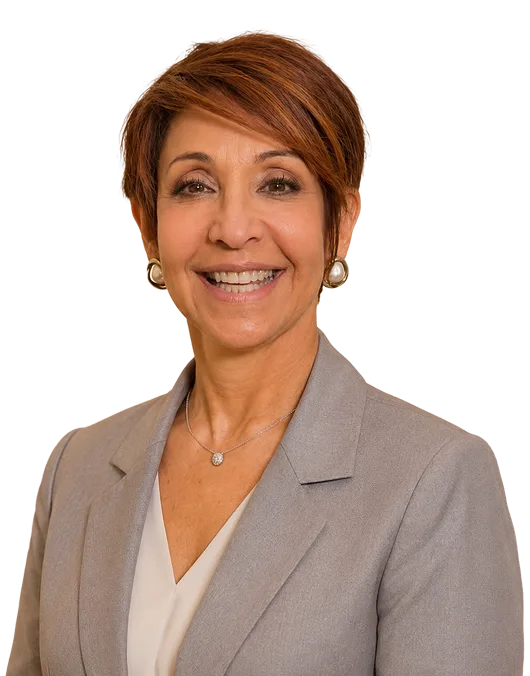
Elysa Fisher, MD, FACS, completed her undergraduate, graduate, and postgraduate education at Northwestern University and has been board-certified in plastic surgery since 1992. Her practice includes aesthetic surgery and nonsurgical care, providing a setting for comparing treatment categories and their limits.
The purpose of a consultation is not to make a new technology sound suitable for everyone. It is to clarify what you would like improved, examine the skin, review your history, and explain which approaches have a reasonable role in your situation.
You should feel comfortable bringing a product name, article, or advertisement and asking what it means. A useful explanation separates laboratory findings from clinical results, a cosmetic claim from a medical claim, and an established option from an emerging one. Those distinctions help you make a decision based on more than an appealing label. Dr. Fisher’s background
What Are Exosomes?
Exosomes are small extracellular vesicles released by cells. They can carry biological material involved in communication between cells. Researchers study their roles in normal physiology, disease, and potential medical applications, including questions related to skin biology.
That scientific interest does not mean that every commercial product described as containing exosomes behaves in the same way. Preparations can differ in source, how they are produced, what else they contain, and how their contents are characterized. The general term does not establish a standardized treatment.
Exosomes are also not living stem cells. A product associated with cells or cell culture should not be assumed to transplant new living cells or replace damaged tissue. Describing a material as cell-derived is different from demonstrating a particular benefit in a person receiving an aesthetic service.
For a client, the practical question is not whether exosomes are interesting to science. It is whether the exact proposed product and method have evidence relevant to your concern, what risks are known, and what uncertainties remain. That requires more information than the word exosome on a package. Clinical study of an exosome-containing preparation
Why the Product and Method Matter
The Source and Formulation
Ask for the full product name and ingredient information. A preparation described broadly as cell-derived may differ substantially from another marketed under the same general category. Other ingredients can influence how the product feels, moisturizes, or interacts with skin.
A count of particles or a phrase such as highly concentrated does not by itself establish a better clinical result. The meaningful questions concern what is being measured, how it is characterized, and whether the product used in a study matches the one being proposed.
If the explanation relies only on a general article about exosomes, ask whether evidence exists for the finished preparation. An ingredient’s biological potential does not automatically establish the performance of every product that invokes it.
Application to Intact Skin
A topical cosmetic is evaluated differently from an injected medicine, and its intended claims matter. A product used to improve surface appearance should not be described as an approved treatment for disease or as proven to rebuild tissue simply because it is applied externally.
The skin barrier also makes route of use important. Findings from a laboratory experiment or a procedure that alters the barrier cannot automatically be applied to an ordinary serum used on intact skin at home.
Ask what the product is intended to do in the specific routine being discussed. A claim of improved hydration is different from a claim of scar remodeling, hair restoration, or healing a medical condition. FDA explanation of cosmetics and drugs
Application After a Procedure
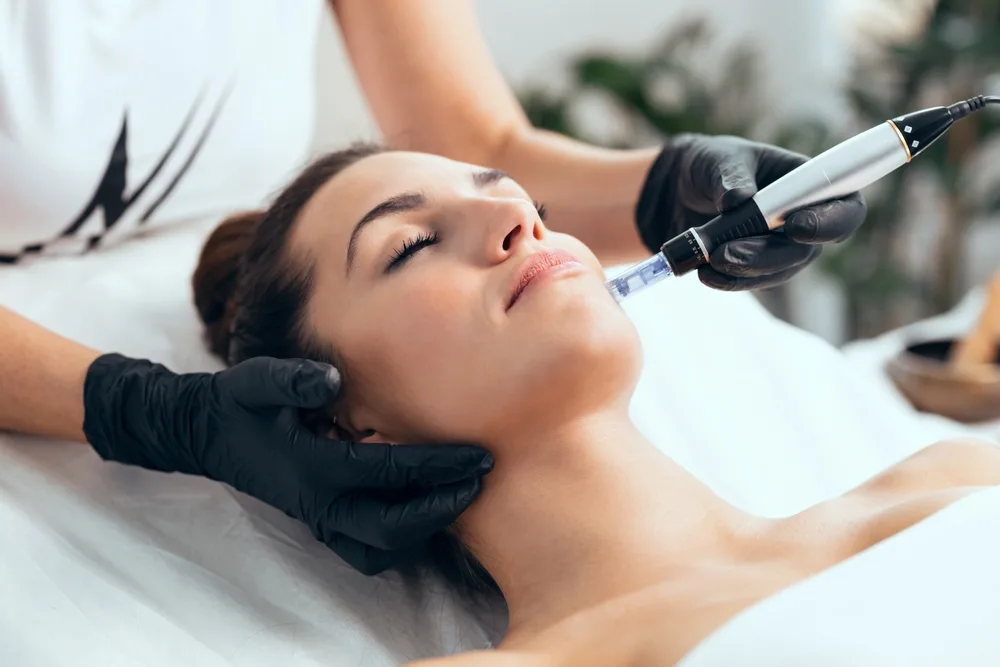
Skin immediately after microneedling or resurfacing is not equivalent to intact skin. The safety of a topical preparation cannot be assumed to extend to that setting without an appropriate assessment of the product and method.
The FDA states that it has not cleared microneedling devices for use with other products such as cosmetics, topical medications, or blood products. A cleared device therefore does not establish approval of an exosome combination or validate every add-on offered alongside it.
If a combined treatment is discussed, ask which part has been studied, what the add-on is expected to contribute, and whether the proposed use is supported. The procedure and the product need separate consideration. FDA information on microneedling devices
Injection and Other Medical Administration
An injectable exosome product is not a dermal filler or a wrinkle-relaxing medication. Evidence or approval for those established categories does not transfer to exosomes. A product intended for topical use should never be assumed suitable for injection.
Do not purchase a preparation online to inject yourself or ask a nonmedical provider to inject. Claims that a product is natural, cell-free, or derived from a familiar source do not remove the need for regulatory review and evidence appropriate to that route.
If an investigational medical treatment is being proposed, ask about its regulatory status and formal study oversight. Marketing language and a consent form alone do not establish that it has been approved or proven effective. FDA public safety notification
What Current Skin Research Can and Cannot Establish
There are published clinical studies exploring particular exosome-containing preparations with skin procedures. For example, a randomized split-face study enrolled 28 people and compared an exosome-containing solution plus microneedling with microneedling and saline over a 12-week period. The investigators reported greater improvement in several measured skin outcomes on the side receiving the preparation.
That finding is relevant to the product and study conditions examined. It does not show that every exosome serum produces the same result, establish a standard treatment for all skin types, or demonstrate long-term safety. The study’s size and follow-up also limit what can be concluded about uncommon or delayed adverse effects. Park and colleagues, 2023
A separate 2025 clinical study compared an exosome regimen and platelet-rich plasma in conjunction with radiofrequency microneedling. Because a procedure was performed on both sides, the results need to be interpreted as a comparison of combined regimens, not proof that an exosome product alone accounts for the overall improvement. Estupiñan and colleagues, 2025
When reviewing research, ask what was actually measured and what the comparison received. An improvement after a combined appointment can come from more than one component. A small favorable study can justify further investigation without settling the question of routine use.
Your Skin Concern Comes Before the Product Category
Fine Surface Lines and Texture
Fine lines can involve skin quality, repeated movement, or both. Roughness may have a different cause from an expression crease. A consultation should separate those observations rather than treat all of them as evidence that the skin needs a regenerative product.
Tell us when the texture changed, which products you use, and whether irritation or dryness accompanies it. This information can reveal a need to simplify skincare or assess a medical issue before considering a procedure. A new ingredient is not always the best response to a troubled skin barrier.
Uneven Tone and Discoloration
Brown spots, redness, and shadows are not one condition. Their causes and suitable treatments can differ. A product promoted for brighter skin does not replace identifying why a particular area has changed color.
Bring attention to new or changing marks, especially if they are irregular, bleeding, or otherwise different from surrounding spots. Such findings need medical assessment rather than being included automatically in a cosmetic treatment plan. The first decision may be diagnosis or referral.
Scars and Post-Procedure Concerns
The appearance of a scar depends on its age, location, depth, and behavior. An acne scar, a raised surgical scar, and a red healing mark need different discussions. General statements about regeneration cannot substitute for examining the actual tissue.
If you are recovering from another treatment, contact the clinician who performed it about unexpected symptoms. Do not add an unreviewed serum in an effort to accelerate healing. A recovery concern may need assessment rather than a new cosmetic product.
Changes in Fullness or Skin Position
Loss of facial volume and significant skin laxity are structural issues. A topical product should not be presented as equivalent to filler, surgical lifting, or tissue removal. If a promise implies that a serum can recreate the effect of those procedures, ask what direct evidence supports that claim.
Defining the desired outcome helps keep expectations realistic. You may be interested in smoother-looking skin while accepting the underlying contour, or you may actually want a change in shape that calls for a different treatment discussion.
Interpreting Claims Without Losing Sight of Your Goal
Words such as regenerative, restorative, and advanced can describe an intention without specifying a demonstrated result. Ask what improvement you should reasonably expect to see and how it would be assessed. A meaningful answer connects the claim to a defined outcome.
Before-and-after photographs need context. Was the same lighting used? Was another procedure performed? How long after treatment was the image taken? Temporary swelling, hydration, makeup, and photography can affect appearance without establishing a lasting biological change.
Testimonials can describe an individual’s experience, but they cannot predict your result or identify which part of a combined regimen caused the improvement. They are not a substitute for product-specific evidence and a medical assessment.
It is also useful to ask what would count as insufficient benefit. If a proposed series has no clear review point, it may be difficult to decide whether continuing is worthwhile. Set a realistic goal and a way to reassess it before committing to repeated appointments or an expensive collection of products.
Understanding Regulatory Language
An FDA-registered facility is not the same as an FDA-approved treatment. Registration describes a regulatory or administrative status; it does not establish that a particular exosome product has been reviewed and approved for the cosmetic result being advertised.
Similarly, listing a study in a public database does not mean the treatment has received FDA approval. A clinical trial is a way to investigate a question, not proof that its answer is already known. Ask whether a study is recruiting, completed, published, and relevant to the exact product and route under discussion.
Cosmetics also follow a different framework from drugs. A product’s intended claims and use influence how it is regulated. A topical preparation marketed to change appearance should not borrow the credibility of a medical approval it does not have.
These distinctions need not make the consultation technical or overwhelming. A straightforward explanation should identify what the product is, what status it has, and what that status does and does not establish. If those questions cannot be answered clearly, it is reasonable to wait. FDA consumer alert
Your Skin Consultation at Women’s LifeCenter
Start with the concern that prompted your interest in exosomes. Perhaps you want a smoother surface, less uneven tone, or a clearer understanding of an add-on suggested elsewhere. Knowing the goal helps the visit remain useful even if an exosome product is not the recommendation.
Bring the exact product name or a photograph of the packaging if you want it reviewed. The ingredient list, intended route, and claims are more informative than a social media description. Also identify any procedure it was supposed to accompany.
Your skin and relevant medical history should be assessed. Explain previous reactions, scarring tendencies, pigmentation changes after treatment, active skin disease, and medications that affect healing or immunity. Pregnancy and breastfeeding should be discussed before considering new elective treatments or products.
The consultation can compare options that address the same goal. Ask what is established about each approach, what downtime or maintenance it involves, and how its risks differ. A familiar treatment is not automatically right for everyone, but its evidence should be evaluated on its own merits.
You should leave with a clearer next step, which may involve skincare changes, a procedure, further medical evaluation, or simply more time to decide. The value of the visit is an appropriate plan for your skin, not an obligation to receive the product that first caught your attention.
Planning Care When a Procedure Is Recommended
If your evaluation leads to a skin procedure, preparation should be based on that actual procedure and your health. There is no universal exosome-treatment preparation schedule that applies across topical cosmetics, needling, resurfacing, and investigational medical use.
Ask which medications or skincare ingredients need review and why. Do not discontinue prescriptions independently. If a product is being added to the plan, understand its purpose separately from the procedure itself and ask whether there is evidence that the combination is suitable.
Discuss your calendar before scheduling. A professional commitment, outdoor event, or trip can affect whether the proposed recovery is practical. A promise that an add-on will eliminate downtime should not replace realistic instructions for the procedure being performed.
Make sure you know what will be used during treatment and what will be applied afterward. Bringing an outside serum to an appointment does not establish that it is appropriate for freshly treated skin. The clinician should approve the complete plan before it begins.
What to Expect From an Evidence-Based Treatment Discussion
A useful discussion makes the uncertainties specific. Rather than saying a product is promising in general, the clinician can explain whether the evidence concerns a particular formulation, a small group of participants, or a combination with another procedure.
The proposed benefit should also be relevant to you. A study measuring hydration does not establish that a treatment will correct deep acne scars. An investigation of facial skin does not automatically justify claims about hair growth or another medical condition.
Ask whether a less complex option could address the same priority. A suitable skincare routine, a targeted procedure, or treatment of an underlying condition may be more appropriate than an emerging add-on. The comparison should include the expected value, not just the novelty of the technology.
Results and Reasonable Expectations
There is no established universal timeline or duration for “exosome treatment” as a broad category. Product formulations and routes differ, and many advertised regimens include another procedure. A claim that everyone will improve by a certain week or maintain results for a fixed number of months would overstate what that label alone can establish.
If a plan includes an established procedure, its expected course should be described separately. The effect of microneedling, resurfacing, or another intervention should not be automatically attributed to an accompanying serum. Ask what evidence supports the additional benefit being proposed.
Use consistent photographs if tracking a cosmetic change. Similar lighting, expression, and skin preparation make comparisons more meaningful. A transient glow is different from a durable improvement in texture or a measured change in a scar.
Reassessment should focus on the original priority. If you do not see a worthwhile benefit, the next step is to review the plan rather than assume you need a longer series. Your budget and tolerance for uncertainty should remain part of that decision.
Recovery and Aftercare Depend on the Actual Treatment
A product applied to intact skin and a procedure that creates controlled skin injury have different aftercare needs. The recovery plan should identify the procedure performed, the condition of the skin, and the products approved for use during healing.
Follow instructions for gentle cleansing, sun protection, and avoiding irritating ingredients when those apply. Do not assume that a product is appropriate for compromised skin because it is marketed as soothing or regenerative. New preparations can make irritation harder to interpret.
Report increasing pain, spreading redness, drainage, blistering, fever, or another unexpected symptom promptly. If a reaction develops after a new topical product, contact the treating clinician for advice about stopping it and whether examination is needed. Severe allergic symptoms require urgent care.
Keep the product information and treatment dates. If another clinician evaluates a reaction, the exact preparation and route are useful. A general statement that you had a facial or exosomes may not provide enough detail to understand the exposure.
Safety Questions Worth Answering Before Treatment
Product quality, sterility when relevant, source material, and intended use are important considerations. A laboratory test or marketing statement does not substitute for a complete assessment of the finished product in the proposed clinical setting.
The FDA has received reports of serious adverse events related to unapproved exosome products. Those reports should not be generalized to claim that every topical cosmetic has the same risk, but they do establish why medical administration and broad safety promises require scrutiny.
Small studies also cannot establish that uncommon or long-term complications do not occur. Absence of a serious event in a limited group is different from proving a treatment safe for all clients, skin conditions, or routes.
Ask who would evaluate a problem and how it would be reported. You should know the clinician responsible for your care and the product used. If an explanation avoids those basics by emphasizing that the material is natural, that is not enough information for an informed decision. FDA public safety notification on exosome products
Comparing Exosome Claims With Other Aesthetic Options
Different goals call for different categories of care. A movement-related frown can lead to a neuromodulator discussion. A selected volume deficit may prompt consideration of filler. Skin texture can require skincare or a procedure, while substantial laxity may be more appropriately discussed in a surgical consultation.
These alternatives have their own risks and limitations; established does not mean risk-free. The advantage of a clear comparison is that you can assess each option against the same concern rather than assume the newest category is the most effective.
Ask what improvement could be expected without the add-on being proposed. If a procedure has a reasonable role on its own, that baseline matters when deciding whether an emerging product offers enough additional value to consider.
You may choose a simpler plan or defer intervention. Those decisions can be appropriate when the concern is modest, the evidence does not answer your question, or the cost feels disproportionate to the possible benefit. Care should remain directed toward your skin and your priorities.
Why Begin With Women’s LifeCenter in Wilmette?
Interest in a new treatment can be a useful reason to seek advice, even when the eventual recommendation is different. At Women’s LifeCenter, the consultation can bring the conversation back to what you want improved and which approach fits the finding.
Dr. Fisher’s background in aesthetic surgery and nonsurgical care supports that broader assessment. You can ask about a product while also discussing whether the concern involves skin, movement, volume, or tissue position. The goal is to avoid choosing a technology before understanding the problem.
An informed plan should respect your tolerance for uncertainty. Some clients prefer options with a longer clinical history; others want to understand emerging evidence before deciding. Either way, the explanation should accurately describe the available information without turning a scientific possibility into a promised outcome.
Skin Consultations in Wilmette and the North Shore
Women’s LifeCenter Aesthetic Surgery and Medispa is located at 124 1/2 Skokie Blvd, Wilmette, IL 60091. The practice welcomes clients from Wilmette, Evanston, Kenilworth, Skokie, and surrounding communities.
When scheduling, describe the skin concern and mention if you want to discuss a specific exosome product or proposed combination treatment. Ask about current service availability and what information to bring. An exact product name makes the discussion more useful than a general reference to a regenerative facial.
If you are experiencing a reaction after a treatment performed elsewhere, say that when contacting the office. A new symptom may require prompt medical assessment rather than an ordinary cosmetic consultation.