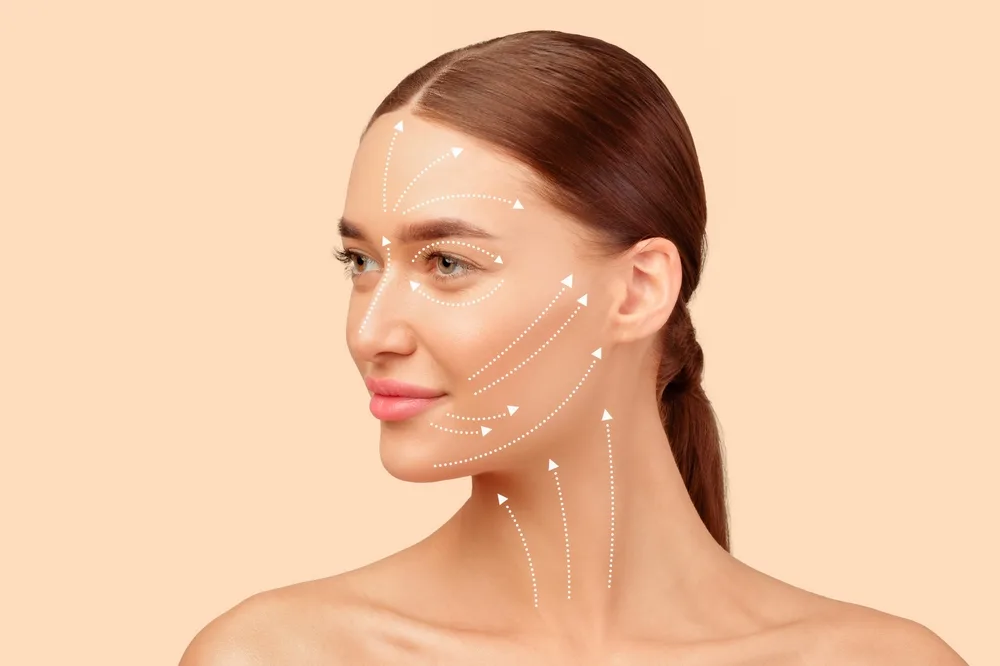
Facial aging can change the outline of your face before it changes how you feel. The jawline may look less defined, tissue may gather beside the mouth, and the lower face can appear heavier in photographs. You may find yourself lifting the skin gently with a fingertip, wondering whether the shape underneath could look closer to the way you remember it.
Facelift surgery repositions selected facial tissues and removes excess skin to improve concerns such as jowling and lower facial laxity. Depending on the plan, the neck may also be addressed. The procedure works on tissue position and support, which makes it different from a treatment that primarily smooths skin texture or adds volume.
Elysa Fisher, MD, FACS, offers facelift consultations at Women’s LifeCenter Aesthetic Surgery and Medispa in Wilmette for patients from Chicago and nearby communities. The discussion centers on what has changed, what you would like to preserve, and how much improvement would feel appropriate for your face.
A considered facelift plan respects facial identity. The aim is not to erase every line or create the same tightly sculpted outline for everyone. It is to address the tissues contributing to your concern while explaining scars, recovery, limitations, and the possibility of future changes.
Schedule a Complimentary Consultation
Why the Jawline and Lower Face Change
With time, facial support tissues and skin can become less firm, while fat compartments and other structures change in position or volume. Tissue that once sat higher may contribute to heaviness near the jaw. The transition between the cheek, jawline, and neck can become less distinct, even when the skin surface remains relatively smooth.
The pattern differs from person to person. One face may show jowling with little neck looseness, while another has more prominent neck changes or loss of cheek fullness. Sun exposure, genetics, weight changes, and tissue quality all influence the appearance. Identifying the dominant pattern helps determine whether lifting is the main need or whether another type of treatment addresses the concern more directly.
What a Facelift Is Designed to Improve
A facelift can improve selected sagging along the lower face, reduce jowl prominence, and create a smoother relationship between the jaw and adjacent tissues. The exact regions treated depend on the operation. Some plans include work on the neck, while others require a separate discussion of neck treatment. The procedure name alone does not fully describe its scope.
Facelift surgery does not correct every sign of aging. It does not automatically lift the eyebrows, remove eyelid bags, eliminate pigment, or erase fine lines around the mouth. Some folds can soften without disappearing. Discussing these limits is particularly important if you hope that one operation will address concerns across the entire face rather than the tissues included in the surgical plan.
Tissue Support and a Natural Appearance
Modern facelift planning generally considers the deeper support tissues as well as the skin. The amount and direction of repositioning depend on anatomy, laxity, and the desired change. Simply stretching the skin tightly is not a useful description of a thoughtfully planned result. Skin closure must work with the underlying correction and preserve a natural relationship around the ears and hairline.
You may hear different technique names while researching, but a name does not establish which method suits you. Ask Dr. Fisher how the recommended approach addresses your particular jowls, cheek position, or neck findings. The explanation should connect the technique to the tissues being treated without implying that one branded or widely discussed method is the best choice for every face.
Considering the Neck Alongside the Face
The neck can influence how a facial result is perceived, particularly in profile. Loose skin, localized fat, or visible muscle bands may contribute to the concern. Those features are evaluated separately because they do not all respond to the same maneuver. A plan that improves the lower face may leave an important neck issue untreated unless it is specifically included.
Ask what the proposed operation will do below the jawline and whether an additional incision beneath the chin is being considered. The need depends on the structures involved and the selected technique. A balanced discussion makes clear whether the procedure is focused on the face, the neck, or both, so your expectations match the actual treatment boundaries.
Where Nonsurgical Treatments Fit
Injectables and skin treatments can be useful for concerns such as selected volume loss, expression lines, or surface quality. Their role differs from repositioning significantly descended tissue. Adding volume to a face whose main concern is heaviness may not create the lifting effect you want, and repeated treatment does not guarantee that surgery can be indefinitely replaced.
At the same time, surgery may be more than is needed when the concern is mild or mainly related to the skin surface. Dr. Fisher can discuss whether a less invasive option is reasonable and what its limits would be. Some patients choose separate treatments over time for different issues, but each should have a specific purpose rather than being added automatically to a facelift plan.
Choosing Timing Based on Your Face and Health
There is no universal birthday at which a facelift becomes appropriate. The degree of tissue descent, skin quality, overall health, and personal preference are more useful than age alone. You may be ready to consider surgery when a defined concern has become persistent and you can accept the required recovery, scars, and potential risks.
Nicotine exposure, blood pressure, medications, and previous facial procedures can affect safety and healing. Significant weight changes may also influence the stability of the result. If you are in the middle of substantial weight loss, discuss that before committing to a date. The best timing should account for the condition of the tissues you are treating and the likelihood of near-term change.
Your Facelift Consultation With Dr. Fisher
Bring examples of what you notice in everyday life, whether it is a less distinct jawline, a fold near the mouth, or a change in your profile. Earlier photographs can help show your natural facial character, although surgery cannot recreate an exact past image. The examination considers skin laxity, deeper tissues, volume distribution, neck anatomy, hairline, and ear position.
You will review medications, prior surgery, injectable history, scarring, and health factors relevant to anesthesia and bleeding. Ask how the incision will travel around the ear and hairline and how the operation may affect those landmarks. A clear plan should identify the expected improvements, the features that may remain, and the practical course from preparation through follow-up.
Incisions, Hair, and Scar Placement
Facelift incisions commonly follow portions of the hairline and contours around the ears, with the pattern adjusted to the procedure. Their purpose is to allow tissue repositioning and skin removal while considering visibility. Longer or differently placed incisions may be necessary for greater correction, particularly when the neck is included.
Scars cannot be promised invisible. Hair density, hairstyle, skin characteristics, and healing all influence how they appear. Tell Dr. Fisher if you routinely wear your hair pulled back or have areas of thinning hair. Planning should also consider preservation of the sideburn and earlobe contours, because these details can affect how natural the result looks after swelling resolves.
Preparing for a Quieter Period at Home
Arrange transportation, early help, and time away from demanding commitments. You may feel able to do light tasks before you want to be seen socially, so distinguish physical recovery from appearance-related downtime. If you travel from Chicago to Wilmette for follow-up, build those appointments into your support plan rather than treating them as optional errands.
Follow the instructions regarding prescriptions, supplements, nicotine, and any required medical review. Blood pressure management can be particularly important, and medication changes should be coordinated with the appropriate clinician. Prepare comfortable clothing that does not need to be pulled tightly over the face, and ask when hair washing, coloring, and other grooming routines can safely resume.
What Recovery Commonly Involves
Swelling, bruising, tightness, and numbness can occur after a facelift. Dressings or drains may be part of the initial care. The face may feel unfamiliar while tissues are swollen, and the two sides can look different during early healing. Avoid judging the permanent result from this phase, when both tissue position and surface appearance are still changing.
Rest with the positioning advised by the team, protect incisions, and follow limits on bending, lifting, and exertion. Sudden swelling on one side, escalating pain, or fresh bleeding needs prompt assessment because a collection of blood may require treatment. Fever, spreading redness, or drainage also warrants contact. Seek emergency care for chest pain or breathing difficulty rather than waiting for an office response.
Returning to Work and Seeing the Result
The time needed before returning to work depends on the extent of surgery, healing, and how visible your role is. A person who works remotely may have different concerns from someone who conducts meetings or appears on camera. Bruising can fade before all swelling resolves, and the face may continue to feel tight even when you look ready for ordinary activities.
Exercise and more strenuous routines resume with clearance. Over the following months, tissues soften, sensation may change, and scars mature. A facelift can provide a lasting improvement, but aging continues and the result does not have a guaranteed expiration date. Later decisions depend on the changes that develop and whether they matter enough to you to consider further treatment.
Understanding Possible Complications
Risks include bleeding, infection, delayed healing, skin loss, unfavorable scars, hair loss near incisions, and altered sensation. Facial nerve injury can affect movement and may be temporary or persistent. Asymmetry, contour irregularities, distortion around the ear, and dissatisfaction with the degree of change are also possible. Additional surgery may be required in some circumstances.
Your individual risk depends on health, tissue condition, surgical extent, and other factors discussed before treatment. Choosing an appropriate plan and following aftercare instructions are important, but no operation is risk-free. Dr. Fisher will explain the concerns most relevant to you so the decision includes a realistic understanding of both the potential benefit and the consequences of complications.