Pregnancy and the years around it can change several areas of the body in different ways. Your breasts may feel less full, your abdomen may retain loose skin, or your proportions may look unfamiliar even after your weight has settled. You can value what your body has done and still want to discuss changes that would help you feel more comfortable in it.
A mommy makeover is a personalized combination of procedures that addresses selected breast and body concerns. It is not one operation, a required package, or a promise to return to an exact pre-pregnancy appearance. The right plan may involve a single procedure, several procedures together, or operations separated into stages.
At Women’s LifeCenter Aesthetic Surgery and Medispa in Wilmette, Elysa Fisher, MD, FACS, works with Chicago-area patients to identify which changes matter most and whether surgery fits their current health and family circumstances. Recovery support is an important part of the conversation, particularly when other people depend on your care.
You do not need to arrive with a list of procedures. Start with what feels different and what you would like to improve. From there, the consultation can translate broad concerns into a plan with a clear purpose, realistic boundaries, and timing that works for your life.
Schedule a Complimentary Consultation
A Personal Plan Rather Than a Standard Package
Two patients can use the same term, mommy makeover, while needing very different operations. One may be satisfied with her breasts but concerned about abdominal skin. Another may want a breast reduction because of heaviness and have no interest in a tummy tuck. A third may have both volume loss and breast descent, requiring a different discussion from simple enlargement.
The name does not determine what belongs in your plan. Each procedure should address a concern you have identified and offer enough benefit to justify its recovery and risks. It is also acceptable to decide that only one area is worth treating now. The ability to choose a smaller plan is part of personalization, not a compromise in the seriousness of your goals.
Understanding Breast Changes After Pregnancy
Breast volume can increase during pregnancy and breastfeeding, then decrease afterward. The skin may not contract to match the smaller volume, leaving a lower position or an emptier upper contour. Other women retain heavier breasts or develop differences between the two sides. The relevant treatment depends on whether the main issue is size, position, or the relationship between them.
A lift reshapes and elevates selected breast tissues, augmentation adds volume with implants, and reduction removes tissue to create a smaller breast. These procedures have distinct scars and long-term considerations. An implant alone does not reliably correct significant sagging, while a lift does not necessarily provide the extra fullness someone wants. Dr. Fisher can explain which change each option would contribute.
Addressing the Post-Pregnancy Abdomen
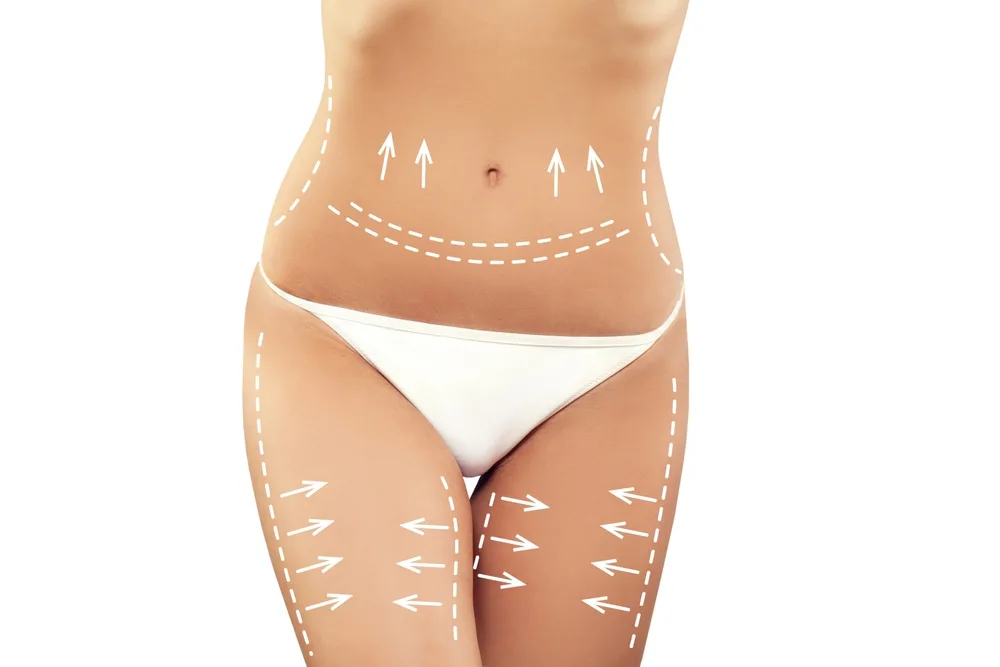
The abdomen may retain stretched skin, an overhanging lower fold, or laxity in the connective tissue associated with the abdominal muscles. A tummy tuck can remove excess skin and may include a repair of that supporting layer. The operation is different from exercise-based rehabilitation, and it should not be presented as a cure for every concern involving core function, back discomfort, or pelvic health.
Symptoms such as pain, a suspected hernia, or pelvic floor difficulties deserve appropriate assessment. Depending on the issue, physical therapy or another specialist may be helpful before or alongside aesthetic planning. Separating a contour goal from a medical symptom ensures that each receives the right attention rather than assuming one cosmetic operation will resolve every postpartum change.
Where Liposuction May Fit
Liposuction can reduce selected pockets of fat that remain despite stable habits and weight. In a makeover plan, it may be considered for an area whose fullness affects the overall contour. Its role is limited to appropriate superficial fat; it does not remove internal abdominal fat, repair separated supporting tissue, or eliminate a substantial fold of loose skin.
Adding liposuction should serve a specific purpose. The treatment area, expected benefit, and effect on operative time all matter, especially when breast or abdominal surgery is already planned. Sometimes the best choice is to leave a secondary concern for later. Once the primary operation has healed, you may find that your priorities or interest in additional treatment have changed.
Choosing the Right Time After Pregnancy
Your body needs time to recover from pregnancy and settle after breastfeeding before an elective breast and body plan can be assessed reliably. The appropriate interval varies with your health, breast changes, weight, and the procedures under consideration. A fixed number of months is less informative than confirming that the relevant tissues and overall condition are ready.
Future pregnancy can alter the result, so family plans are worth discussing without pressure to provide certainty you do not have. If another pregnancy is likely soon, postponing surgery may make sense. If the future is less clear, Dr. Fisher can explain the implications so you can make an informed choice. Surgery should fit your circumstances rather than become another deadline attached to parenthood.
Health, Nutrition, and Readiness
Candidates need health that supports the proposed operation and enough nutritional reserve to heal. A stable weight, assessment of medical conditions, and discussion of nicotine exposure are important. After pregnancy, persistent fatigue or anemia may need attention before elective surgery. Tell the practice about medications, supplements, clotting history, and any complications from pregnancy or prior operations.
Emotional readiness also matters. It helps to have specific, achievable goals and a personal reason for pursuing them. Surgery may change a physical feature, but it cannot guarantee confidence in every setting or solve the demands of a stressful season of life. An unhurried decision gives you room to consider whether the expected physical benefit is worth the effort and limitations of recovery.
Combining Operations or Spreading Them Out
Selected procedures can sometimes be combined, reducing the number of separate surgical dates and recovery periods. However, a longer operation and several healing areas may create greater demands on the body. The decision involves operative time, blood loss, clotting risk, tissue circulation, and your general health. Combining everything that interests you is not necessarily the most appropriate recommendation.
A staged plan may provide a more manageable recovery or allow a larger concern to be treated first. It does involve additional scheduling and potentially separate anesthesia and facility expenses. Ask Dr. Fisher to explain why one approach is recommended for you and what would determine the timing of another stage. Understanding the reasoning helps you weigh convenience against the full recovery picture.
Building a Realistic Support Plan
For many parents, the hardest restriction is temporarily handing over physical caregiving. Lifting a toddler into a car seat, carrying laundry, reaching into a crib, or bathing a child can place strain on healing breast or abdominal tissues. Arrange specific help for these tasks rather than relying on a general promise that someone will be available if needed.
Think through a typical weekday and weekend in detail. Who will handle school transportation, groceries, pets, and bedtime? Can your helper stay long enough if recovery progresses more slowly than expected? Chicago patients should also plan rides for postoperative visits in Wilmette. A support plan that covers the ordinary details is more useful than one that focuses only on the first night after surgery.
What to Expect From Your Consultation
Dr. Fisher will ask you to identify the areas you most want to change and the order in which they matter. The examination assesses breast shape, abdominal tissues, skin quality, scars, and any additional regions under consideration. Prior cesarean delivery, hernia repair, breast surgery, or other operations may influence the options and should be included in the discussion.
The proposed plan should specify each procedure, its intended benefit, incision locations, recovery restrictions, and significant risks. If implants are involved, you will also discuss future monitoring and the possibility of additional surgery. Ask what would happen if you chose only one part of the plan. That question often helps clarify which operation is central to your goal and which is optional.
Recovery Across More Than One Treatment Area
The most restrictive procedure generally guides the early activity plan. You might feel that your breasts are recovering comfortably while the abdominal repair still limits lifting and posture. Swelling, bruising, fatigue, and temporary changes in sensation can occur in different areas at different rates. Avoid using the fastest-healing area as evidence that the entire body is ready for normal activity.
Your care may involve a support bra, an abdominal garment, drains, or different incision instructions for each region. Keep the instructions organized and ask for clarification when they seem to overlap. Follow-up visits allow the team to assess the whole recovery rather than one visible scar. Report unexpected changes promptly, even if another part of the healing process appears to be going well.
Risks and Long-Term Changes
Risks vary with the procedures selected and can include infection, bleeding, fluid collections, wound problems, tissue loss, altered sensation, unfavorable scars, asymmetry, and the need for revision. Anesthesia complications and blood clots are also possible. Breast surgery can affect nipple sensation and breastfeeding, while implants introduce device-related risks and future surveillance needs. Consent should address your actual combination rather than a generic package description.
Pregnancy, aging, and significant weight changes can alter the result later. Maintaining stable habits supports the contour but cannot make it permanent in every detail. During recovery, chest pain, sudden breathing difficulty, or a painful swollen leg requires emergency care. Worsening redness, fever, drainage, or an abrupt change in a treated area warrants prompt contact with the surgical team.