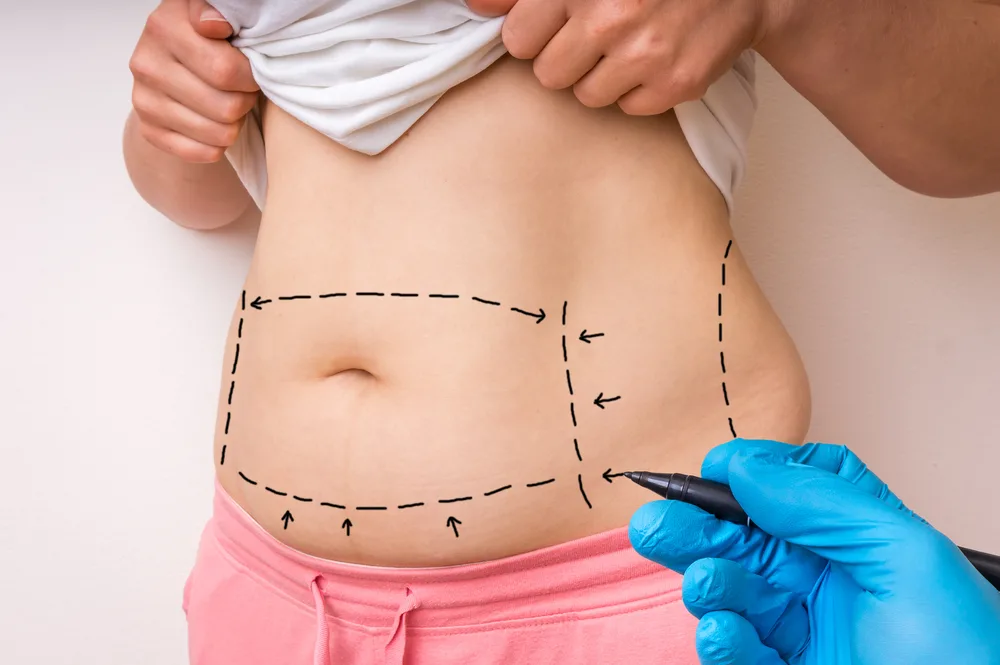
An abdominal contour concern often has more than one component. You may see loose skin below the navel along with fullness at the waist, or a central bulge accompanied by fat that gathers at the sides. Treating only one layer can leave another largely unchanged. That is why understanding the source of each concern matters before choosing an operation.
Liposuction and tummy tuck surgery can work together in selected patients. Liposuction reduces targeted fat beneath the skin, while a tummy tuck removes excess abdominal skin and may repair stretched abdominal supporting tissue. The combination can address a broader contour problem than either procedure alone, but it also requires careful decisions about treatment extent and healing.
At Women’s LifeCenter Aesthetic Surgery and Medispa, Elysa Fisher, MD, FACS, evaluates whether these procedures have a useful role together for your body. Chicago-area patients visit our Wilmette practice to discuss the relationship between abdominal shape, waist definition, skin quality, and surgical recovery.
The goal is a coordinated plan with a clear purpose for each component. Combining procedures should improve the fit between the treatment and your concerns, while respecting the amount of surgery your health and tissues can reasonably support.
Schedule a Complimentary Consultation
Three Different Contributors to Abdominal Fullness
Fat beneath the skin, excess skin itself, and the abdominal wall can each influence your silhouette. Subcutaneous fat is the soft layer that liposuction can target. Stretched skin may form a fold even when little fat remains. Laxity in the connective tissue over the abdominal muscles can contribute to a rounded profile that is not fully explained by either skin or superficial fat.
There is also fat located deeper inside the abdomen around the organs. Neither liposuction nor a tummy tuck removes this visceral fat. Posture, digestive symptoms, and other medical factors can affect abdominal projection as well. An examination is therefore more informative than assuming that every bulge is removable fat or that a combined operation can produce any desired waist size.
What Liposuction Adds to the Plan
Liposuction uses a narrow surgical instrument to remove selected fat through small access incisions. In a combined abdominal plan, its role may be to improve localized fullness at the waist or other carefully selected areas. The aim is a smoother relationship between neighboring contours, rather than removing as much fat as possible from every region at once.
The quality and blood supply of the remaining tissues influence how much treatment is appropriate. Extensive fat removal in an area undergoing significant skin elevation may create additional concerns about healing. Dr. Fisher can explain which regions can reasonably be addressed together and whether postponing some contour work would be preferable. A safe boundary is part of a well-designed result.
What the Tummy Tuck Contributes
Abdominoplasty removes extra skin and associated tissue from the abdomen. When indicated, it also tightens the supportive layer over separated abdominal muscles through a repair often described as muscle tightening. The muscles themselves are not simply cut shorter. In a full tummy tuck, the navel typically remains attached to its underlying position and is brought through a new opening in the repositioned skin.
This part of the operation addresses concerns that fat removal alone cannot resolve. A hanging skin apron or substantial skin laxity is not corrected simply by emptying the fat beneath it. Likewise, liposuction does not repair abdominal wall separation. These distinctions explain why a combined recommendation may be appropriate for one person while another needs only one procedure.
When Combining Procedures May Be Useful
A combination may make sense when loose abdominal skin and localized fat outside or around that loose skin both contribute meaningfully to the concern. The desired changes should be compatible with one recovery plan, and your health should support the anticipated operation. A stable weight and realistic expectations remain important even when the treatment addresses several components at once.
Combination surgery is less useful when one component would add little benefit or create disproportionate risk. Someone with elastic skin and a small fat deposit may not need an abdominal skin excision. Someone with minimal residual fat may gain little from added liposuction. The consultation should establish the reason for each procedure rather than assuming a more extensive plan is automatically more complete.
Reasons to Consider Separate Stages
Staging may be recommended when the total treatment area is large, surgical duration would be excessive, or medical factors favor a smaller operation. Previous scars, tissue circulation, and the amount of skin removal can also influence sequencing. A staged approach provides time for the first procedure to heal before deciding whether additional refinement is still desirable.
There are practical tradeoffs. Separate operations involve more than one recovery and potentially additional facility or anesthesia costs. A combined operation may consolidate some of those demands but can create a more involved initial recovery. Discuss both the medical reasoning and the effect on your schedule so the decision reflects more than the appeal of doing everything on one date.
Defining a Realistic Waist and Abdominal Shape
Your rib cage, pelvis, muscle structure, and natural fat distribution place limits on how the waist can change. Surgery can improve the tissues being treated without converting one body type into another. Reference photographs are most helpful when they illustrate a feature you like, such as less lower abdominal overhang, rather than a promise to reproduce another person’s proportions.
Small rolls with sitting or bending can remain normal after surgery. Stretch marks outside the removed skin and some surface texture may remain as well. It is useful to discuss the abdomen from the front, side, and seated position because no single view tells the whole story. A satisfying plan should address the concern that affects you most in everyday life.
Your Evaluation With Dr. Fisher
During the examination, Dr. Fisher assesses skin excess, fat thickness, abdominal wall support, existing scars, and the transitions around the waist. Tell her about prior abdominal operations, suspected hernias, pregnancy history, and any ongoing abdominal pain or digestive symptoms. Some findings may need separate evaluation before cosmetic treatment is considered.
The discussion also includes clotting history, medications, nicotine, weight changes, and your available recovery support. Ask which parts of the abdomen would be treated with liposuction, where skin would be removed, and whether a fascial repair is proposed. Understanding the map of the operation makes it easier to understand its scars, limitations, and postoperative restrictions.
Preparing for a Combined Recovery
Because more than one tissue problem is being addressed, organize your recovery around the most restrictive part of the plan. You may need help rising from a chair, caring for children, lifting household items, or preparing meals. Arrange a ride and a responsible adult for the period recommended by your team. Keep necessary items at a comfortable height so you are not repeatedly reaching or bending.
If you take a medication for diabetes, weight management, blood pressure, or clot prevention, disclose it well before surgery. The surgical and prescribing teams can coordinate any changes that are needed. Follow the instructions for nutrition, fasting, nicotine avoidance, and skin preparation. Last-minute dieting to change the scale can work against the goal of arriving well nourished and ready to heal.
The First Stage of Healing
After surgery, the abdomen may feel tight while liposuction areas feel sore, swollen, or bruised. The combination can produce an uneven distribution of swelling, so the waist and central abdomen may not settle at the same pace. Dressings, a support garment, and drains may be used according to the operative plan. Instructions should explain how each is managed and when you should call with questions.
You may initially need a modified posture to avoid pulling on the abdominal closure. Short periods of walking are generally introduced as directed, while heavy lifting and strenuous activity remain restricted. Do not spend the entire recovery immobile, but do not turn early walking into an exercise target either. The appropriate balance is specific to your procedure and medical history.
Following Progress Beyond the First Few Weeks
Feeling better and being fully healed are different milestones. You may resume some work while still having swelling, fatigue, and limits on lifting. Core workouts, running, and strength training require clearance based on the repair and incision healing. Describe your usual exercise routine in detail so the advice applies to the movements you actually perform.
The final contour emerges gradually as swelling decreases and the tissues soften. Areas treated with liposuction can feel firm or irregular during this process, and the abdominal scar continues to mature after daily activities become easier. Follow-up visits help distinguish normal settling from a fluid collection or another issue that needs treatment. Avoid aggressive massage or tightening devices unless your team specifically recommends them.
Risks of Liposuction With Abdominoplasty
The combined plan carries the risks of its component procedures, including bleeding, infection, seroma, wound problems, altered sensation, tissue injury, unfavorable scarring, and contour irregularities. Liposuction also involves risks related to fluid balance and, rarely, injury to deeper structures or fat embolism. Abdominal surgery can carry a significant clotting concern, which requires individualized assessment and preventive planning.
The amount of surgery, operative time, and your health affect those risks. A complication may prolong recovery or require another procedure. Report new or worsening swelling, unusual drainage, fever, or escalating pain promptly. Sudden shortness of breath, chest pain, fainting, or a painful swollen leg calls for emergency evaluation. A detailed consent discussion should cover the risks relevant to the exact combination proposed for you.