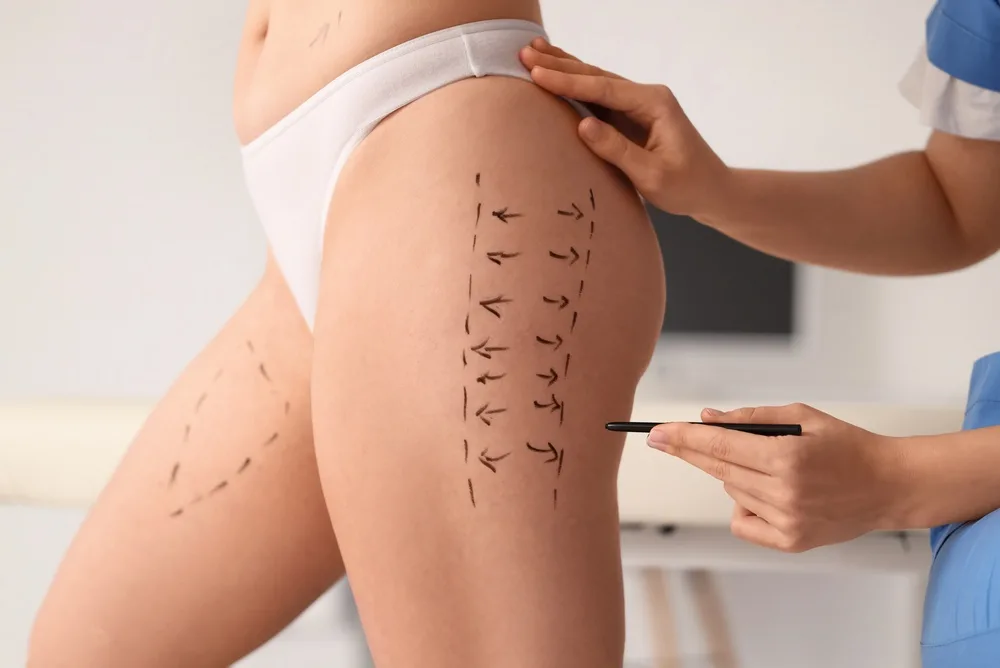
Loose thigh skin can be particularly noticeable in motion. It may fold beneath fitted pants, gather above the knees, or rub along the inner legs while you walk. After significant weight loss, the difference between the size of your legs and the skin surrounding them can feel frustrating. Strength training may improve the muscles underneath without changing the tissue that hangs over them.
A thigh lift removes selected excess skin and reshapes the remaining tissues. Depending on the concern, treatment may concentrate near the groin or extend farther down the inner thigh. The operation is planned around the distribution of looseness, not simply the desire for smaller legs. Fat volume, skin elasticity, and the location of the folds each influence what surgery can reasonably achieve.
Elysa Fisher, MD, FACS, provides individualized surgical consultations at Women’s LifeCenter Aesthetic Surgery and Medispa in Wilmette for patients from Chicago and surrounding communities. Your consultation can help distinguish skin that needs removal from fullness that may respond to another approach.
Thigh lift surgery involves a meaningful recovery and visible scars. Understanding how the operation may improve contour, where the incisions will be, and what healing asks of your daily routine allows you to consider the decision with clarity.
Schedule a Complimentary Consultation
Why the Inner Thighs Can Be Difficult to Change
The skin along the inner thighs is relatively delicate and moves whenever you sit, stand, or walk. Weight fluctuations and aging can reduce its ability to stay closely fitted to the underlying tissues. Once substantial laxity develops, the concern is not necessarily a lack of muscle tone. You can have strong legs and still have redundant skin that creates folds or a rippled outline.
The location matters as much as the amount. Looseness concentrated high on the thigh may require a different incision from laxity that continues toward the knee. Fullness on the outside of the leg can reflect a separate contour issue. Describing exactly where the skin bothers you helps prevent a treatment intended for one region from being expected to improve the entire lower body.
What a Thigh Lift Is Designed to Improve
Thighplasty is the surgical term for reshaping the thighs through removal of excess tissue. Potential goals include a smoother inner thigh outline, less hanging skin, and a more comfortable fit in clothing. When folds contribute to rubbing, removing some of that tissue may help, although surgery does not guarantee that the thighs will no longer touch or that every source of irritation will resolve.
Natural leg structure still determines much of the final shape. Pelvic width, muscle size, fat distribution, and the position of the knees cannot be redesigned by removing skin. Cellulite and small surface irregularities may persist. A realistic goal is improvement in the specific loose tissue identified during examination, with proportions that remain consistent with the rest of your body.
Matching the Incision to the Skin Excess
Looseness Near the Upper Inner Thigh
When the excess is concentrated near the top of the leg, an incision close to the groin crease may provide access for a more limited lift. This approach has boundaries: lifting from above may not adequately address loose skin extending far down the thigh. Choosing a shorter scar only because it is shorter can result in a correction that does not reach the area you actually want improved.
Skin That Extends Toward the Knee
More extensive inner thigh laxity may require a vertical incision along the inner leg, sometimes combined with an upper incision. This allows tissue to be removed over a greater distance. The tradeoff is a longer scar that may be visible in shorts or swimwear. Dr. Fisher can explain the proposed pattern and why its length is related to the amount and direction of skin removal.
The Role of Liposuction
Some thighs have both loose skin and localized fat that influences their contour. Liposuction may be considered to refine selected fullness, either with a lift or as part of a separate plan. Its usefulness depends on the tissues being treated and the need to protect their circulation. Adding fat removal is a decision about anatomy and safety rather than a routine feature of every thigh lift.
If your skin remains elastic and the primary concern is a localized fat deposit, a skin removal operation may be unnecessary. Conversely, liposuction alone cannot reliably tighten a hanging fold. The examination helps determine which problem is dominant and whether one procedure can address it or whether a more gradual approach would provide a better balance of benefit and recovery.
Is This the Right Time for Surgery?
A stable weight is an important starting point because further substantial weight loss can produce additional laxity. Candidates also need sufficient nutrition and health to support wound healing. This deserves particular attention after bariatric surgery or a prolonged period of dietary restriction. A smaller body size does not automatically mean the body has all the resources needed to recover from an operation.
Nicotine exposure, circulation problems, diabetes, prior blood clots, and medications can affect the recommendation. Be open about anything that may influence healing, including vaping and products you use only occasionally. Your ability to follow movement restrictions and attend postoperative visits matters as well. Delaying surgery to improve readiness can be a valuable part of the treatment plan.
A Consultation Focused on Movement and Contour
Dr. Fisher will examine the areas of loose skin and assess how the tissues change with position. You may find it useful to explain what happens while walking, sitting at a desk, or wearing specific clothing. Photos of a garment fit problem can help describe the concern, but the physical examination is needed to identify the tissue responsible.
Discuss any history of groin surgery, leg swelling, skin infections, or difficulty healing an incision. Your consultation should also address how much improvement is realistic near the knee and how the proposed lift relates to the outer thigh or buttock. Asking these questions before surgery helps define its actual boundaries and prevents a focused inner thigh operation from being mistaken for a complete lower body lift.
Preparing for Recovery at Home
Healing incisions in the thigh region are exposed to movement, friction, and moisture. That makes practical preparation especially helpful. Arrange clothing that is easy to remove, a comfortable resting area, and help with tasks that require squatting or carrying. Ask how to manage bathing and toileting with your specific dressings, rather than improvising after you return home.
Chicago patients should also consider transportation to Wilmette for follow-up care and how long they will need assistance with travel. Public transit, stairs, and long periods of sitting can all add demands that are easy to overlook. Your surgical team can advise on positioning and activity, while your support person can help manage the parts of daily life that would otherwise strain the incisions.
What Happens During a Thigh Lift?
Surgical markings identify the excess skin and planned closure. Anesthesia and the operative setting are selected according to the extent of treatment and your health. The surgeon removes the designated tissue, reshapes the contour, and closes the incisions with attention to support and tension. The amount of work is individualized, so a procedure name alone cannot predict the length of the operation.
Dressings, drainage tubes, or a compression garment may be used when appropriate. Before discharge, you and your caregiver should understand the instructions for movement, wound observation, medication, and follow-up. If drains are part of your care, ask for a demonstration of how to manage them and what information to record. Clear instructions are especially useful during the first days, when fatigue can make details harder to remember.
Healing While Protecting the Incisions
Swelling, bruising, tightness, and discomfort are expected early effects. You may need to limit the length of your stride and avoid movements that pull on the closure. Walking as directed supports recovery, but long walks and exercise are separate stages. Do not interpret being able to move around the house as clearance for a full day of errands or a return to the gym.
The groin and inner thigh can be challenging places for an incision to heal. Keep dressings and skin care consistent with the instructions you receive, and contact the team about opening, unusual drainage, spreading redness, or increasing pain. A small area that needs additional wound care may extend recovery. Follow-up assessment is more useful than comparing your progress with a timeline posted by another patient.
Results, Scars, and Long-Term Maintenance
The removal of excess skin changes the contour immediately, although swelling may conceal some of that improvement. Firmness and asymmetry during healing do not always represent the final shape. The tissues gradually soften, and the scar changes over a longer period. It can take months to appreciate how the contour looks during ordinary movement and in different clothing.
Scars may widen, darken, thicken, or remain visible despite careful closure. Some skin relaxation can return as tissues settle and age. Stable weight, good nutrition, and an appropriate return to activity help maintain the result, but they cannot prevent every future change. If a scar or contour concern persists after adequate healing, Dr. Fisher can assess whether additional treatment would be useful.
Risks Specific to Thigh Lift Planning
Possible complications include bleeding, infection, fluid collections, delayed healing, wound separation, altered skin sensation, tissue loss, and unfavorable scarring. Uneven contours or differences between the legs can remain, and revision may be necessary. Changes in lymphatic drainage and prolonged swelling are additional considerations. The location and extent of skin removal affect which risks deserve particular emphasis in your case.
Blood clots and anesthesia-related complications are also possible with surgery. Follow the individualized plan for movement and any prescribed preventive measures. Seek urgent medical help for sudden breathlessness, chest pain, or a newly painful, swollen calf. For less dramatic but concerning wound changes, contact the practice promptly instead of waiting for the next scheduled appointment.