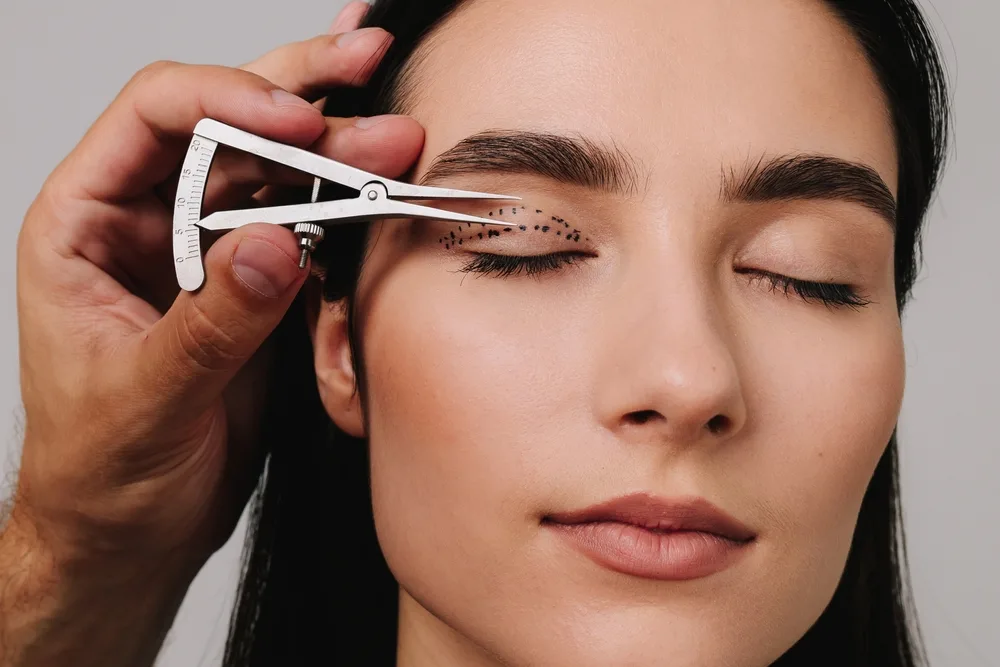
Changes around the eyes can make your face look tired even when you feel energetic. Upper eyelid skin may fold over the crease, while lower eyelid fullness creates shadows that are difficult to conceal. You may notice less space for makeup, a heavier upper eye area, or a persistent difference between how rested you feel and what you see in photographs.
Blepharoplasty addresses selected excess skin and changes in the tissues around the eyelids. Upper and lower eyelid surgery have different purposes, and they are not automatically performed together. An effective plan starts by identifying whether the concern involves skin, fat, lid support, brow position, or another eye condition.
Women’s LifeCenter Aesthetic Surgery and Medispa offers Chicago-area patients the opportunity to discuss eyelid surgery with Elysa Fisher, MD, FACS, in Wilmette. Because the eyelids protect the eyes as well as frame the face, their function deserves as much attention as their appearance.
The objective is an improvement that suits your features while preserving comfortable eye closure and a natural expression. A consultation can help establish whether surgery is likely to address the changes that concern you and which details require additional eye evaluation.
Schedule a Complimentary Consultation
Upper and Lower Eyelids Age Differently
Upper eyelid changes often involve skin that becomes more redundant and begins to obscure the natural crease. Some people also develop fullness from underlying fat. Brow descent can push additional tissue toward the eyelid, making it appear that the lid itself has more excess than it does. Evaluating the entire upper eye region helps distinguish these overlapping contributions.
Lower eyelids may develop bags, loose skin, or a more noticeable transition between the lid and cheek. Shadowing can come from a protruding fat compartment next to a hollow, while true pigmentation creates a different kind of darkness. These distinctions are important because removing skin or fat cannot be expected to correct every cause of an under-eye circle.
What Upper Blepharoplasty Can Accomplish
Upper eyelid surgery removes a planned amount of excess skin, with adjustment of other tissue when appropriate. The incision is generally placed in relation to the natural eyelid crease. The amount removed must account for comfortable closure, existing dryness, and the position of the brow. Preserving adequate tissue is essential, particularly in an area where small changes can affect function.
For some patients, excess skin contributes to visual obstruction, while others seek treatment for appearance alone. If functional symptoms are present, an eye examination and visual field testing may be relevant. Blepharoplasty does not correct every reason an eye feels heavy, and it does not automatically repair a low eyelid margin caused by a problem in the eyelid’s lifting mechanism.
What Lower Blepharoplasty Can Address
Lower eyelid surgery may involve carefully adjusting protruding fat, repositioning tissue, removing selected skin, or improving lid support. The appropriate approach depends on the balance between fullness and hollowing, the quality of the skin, and how firmly the lid sits against the eye. Removing too much tissue can create a hollow or pulled appearance, so restraint is an important part of planning.
An incision may be placed inside the lower eyelid or just beneath the lashes, depending on the correction needed. An internal approach does not remove external skin in the same way as an external incision. Ask which tissues are contributing to your concern and how the proposed method addresses them. A technique should be selected for your anatomy rather than because its name sounds less invasive.
Why Brow Position and True Ptosis Matter
A low eyebrow can create upper eyelid hooding that persists if the brow is left unaddressed. In other patients, the brow position is appropriate and the excess is primarily in the eyelid. Looking at the two together prevents a decision based solely on the appearance of a fold. It also helps avoid removing too much eyelid skin to compensate for descent above it.
True ptosis refers to an eyelid margin that sits too low, often involving the muscle or tendon that lifts the lid. Its repair is different from ordinary skin removal. If you have uneven lid height, changing vision, or a need to tilt your head to see, describe that clearly. Dr. Fisher can determine whether another evaluation is needed before choosing a cosmetic eyelid procedure.
Protecting Eye Comfort Before Surgery
Dry eye symptoms, contact lens intolerance, irritation, and incomplete closure are important parts of your history. Tell the practice about previous eye surgery, laser vision correction, thyroid disease, allergies, and the drops you use. Even a symptom you have learned to manage may influence how much surgery is appropriate and whether additional preparation is necessary.
The eyelids and tear film work together, so a change in lid position can affect eye comfort. Some patients need input from their eye care clinician before proceeding. This does not mean surgery is automatically unsuitable; it means the recommendation should account for the condition of the eyes being protected. A comfortable result matters beyond the way the incision looks.
Choosing the Degree of Change
You may want to recover a visible upper crease, soften lower bags, or reduce an impression of fatigue. Those goals are more informative than simply asking for younger eyes. Earlier photographs can help illustrate the features you want to preserve, particularly if your eyelid shape is part of your family resemblance or personal identity.
There will still be normal folds when you smile and natural movement around the eyes after healing. Crow’s feet, pigment, and cheek volume may require separate consideration if they remain concerns. Surgery should not be expected to remove every sign of expression. Dr. Fisher will help define a correction that is proportionate to the actual tissue changes rather than an attempt to make the entire eye area featureless.
Your Eyelid Consultation in Wilmette
The examination considers skin redundancy, fat distribution, eyelid position, symmetry, and the relationship to the brows and cheeks. You will also discuss the circumstances in which the concern is most noticeable. A lower bag that appears only with smiling may call for a different explanation from one present at rest, and a lid that changes during the day may need closer functional assessment.
Bring your medication list and information about prior facial treatments. Blood thinners and supplements can affect bleeding risk, but prescribed medicines should only be changed through an agreed medical plan. Ask where scars will lie, which procedure is being proposed for each lid, and whether combining upper and lower treatment offers a meaningful benefit in your case.
Preparing for Surgery and the Trip Home
Your surgical team will specify the anesthesia, operative setting, preparation, and discharge arrangements. Arrange a responsible person to take you home and provide the help advised for the early recovery period. You may have temporary blurred vision from ointment or swelling, so driving yourself is not an appropriate plan. Have prescribed eye care supplies ready before the procedure.
If you live in Chicago, schedule postoperative visits with the journey to Wilmette in mind. Plan a quieter period for reading, screens, and other visually demanding tasks if your eyes feel tired or irritated. Prepare to follow individual instructions about compresses, head position, washing, and contact lenses. These details should come from the team caring for your eyes, not a general online recovery calendar.
Early Healing Around the Eyes
Bruising, swelling, tightness, and temporary irritation are common after eyelid surgery. The delicate tissues can make even moderate swelling look conspicuous, and the two sides may not recover at precisely the same rate. Prescribed ointment can blur vision temporarily, but any unexpected visual change should be discussed promptly rather than assumed to be harmless.
Severe eye pain, sudden vision loss, rapidly increasing swelling, or a significant new visual disturbance requires emergency assessment. Less urgent concerns, such as persistent irritation or difficulty following the wound care instructions, still deserve contact with the practice. Avoid rubbing the eyes, applying unapproved products, or pulling on the lids to inspect the incision. Gentle care is more useful than repeatedly testing the healing tissues.
Work, Makeup, and Exercise After Blepharoplasty
Some people feel ready for light work before they feel ready for an in-person meeting or photograph. Bruising and residual swelling can remain after discomfort has improved. The timing also depends on whether you had upper surgery, lower surgery, or both. Discuss your work setting and any upcoming events so the plan allows a reasonable margin for visible recovery.
Eye makeup and contact lenses should wait until your team confirms that the lids are ready. Exercise, bending, and heavy lifting may also need restrictions to reduce strain during early healing. Do not use concealer on an incision simply because it appears closed from a distance. Gradual return to normal routines protects the result while the tissues regain strength.
Surgical Risks and Expectations Over Time
Risks include bleeding, infection, scarring, asymmetry, dry eyes, difficulty closing the eyes, and changes in eyelid position. Lower lids may pull away from the eye or sit lower than intended. Additional surgery may be needed for a complication or residual concern. Vision-threatening bleeding and vision loss are rare but serious risks that belong in an informed discussion of eyelid surgery.
The final appearance becomes clearer as swelling settles, although scar maturation and subtle tissue changes continue for months. Blepharoplasty does not stop aging, and later changes may occur in the brows, skin, or cheeks. A well-planned procedure aims to improve the present concern while preserving enough tissue and support for comfortable function over time.